

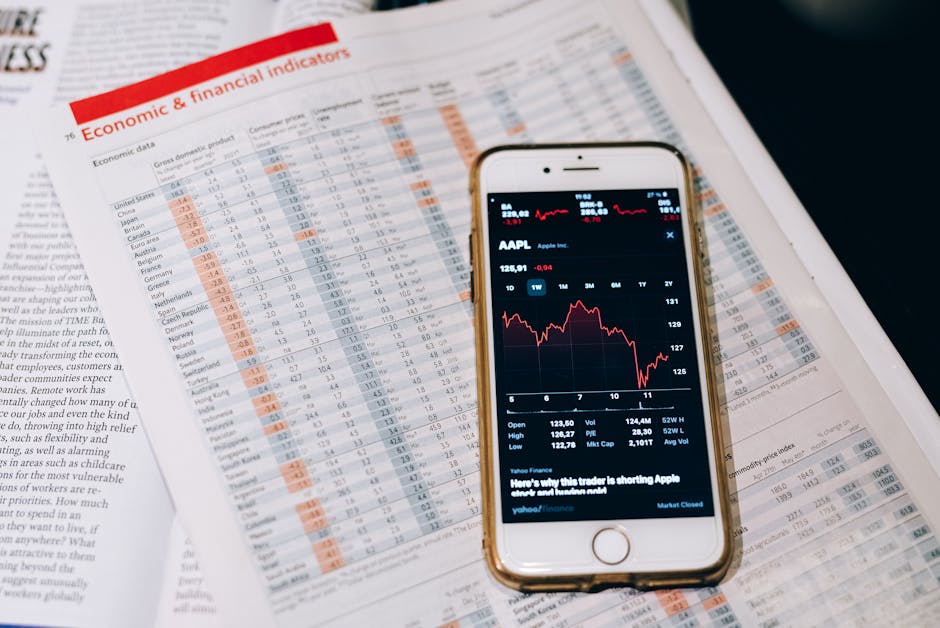
Sensex and Nifty 50 Encounter Volatility Amid Mixed Investor Sentiment and Global Uncertainties
The Indian equity markets have been navigating a period of heightened volatility, with the benchmark indices Sensex and Nifty 50 exhibiting oscillating patterns driven by a confluence of domestic and global factors. Both indices have witnessed indecisive trading sessions marked by swings between gains and losses, reflecting a cautious stance taken by investors amid uncertain macroeconomic data, corporate earnings outcomes, and geopolitical developments.
Market Overview: Navigating Investor Indecision
The Bombay Stock Exchange (BSE) Sensex, a widely followed barometer of Indian market health, has experienced significant fluctuations over recent trading periods. Similarly, the National Stock Exchange (NSE) Nifty 50 index has hovered near critical psychological levels—levels that traders regard as indicators of the market’s broader momentum. This seesaw movement underscores investor hesitancy in committing fully to directional trends amid a complex blend of signals.
Historically, Indian equities display notable sensitivity to both domestic and international developments. Investors vigilantly track quarterly corporate earnings, given their pivotal role in influencing sectoral performances and overall market sentiment. Moreover, external economic cues especially emanating from the United States, China, and Europe—India’s principal trading partners—have increasingly impacted market behavior, injecting volatility and influencing capital flows.
Key Market Drivers Behind the Volatility
The recent market dynamics are shaped by several interrelated factors:
- Global Market Cues: International equity markets have shown pronounced volatility due to a volatile geopolitical landscape and shifting economic policies. Currency swings and commodity price fluctuations, notably in crude oil and metals, have directly affected investor appetite in Indian markets. For example, heightened tensions in key global regions or shifts in U.S. Federal Reserve policies often translate quickly into increased market volatility in India.
- Corporate Earnings Performance: The release of quarterly earnings reports from large-cap companies within the Nifty 50 index plays an outsized role in shaping investor sentiment. Mixed or unexpected earnings results across sectors have created divergence within sectoral indices, with some sectors like IT and banking outperforming while others face pressure due to sluggish numbers.
- Monetary Policy and Interest Rate Outlook: Market participants maintain a close watch on monetary policy stances adopted by the Reserve Bank of India (RBI) as well as major global central banks. Announcements regarding interest rate adjustments or liquidity provisions influence equity market flows, as changes in borrowing costs impact corporate profitability and investor risk appetite.
- Sectoral Volatility: Sectors including banking, information technology, energy, and consumer goods have shown uneven performance patterns, often reacting sharply to news flow, earnings results, and commodity price changes. For instance, fluctuations in oil prices significantly affect energy stocks and related sectors, while banking stocks remain sensitive to changes in credit demand and regulatory frameworks.
Investment Implications for Indian Market Participants
Given the prevailing uncertainty and mixed signals from the market, Indian investors are encouraged to pursue a strategy centered on caution and thoughtful stock selection rather than attempting to time the market. Diversifying portfolios across sectors that demonstrate resilience to both domestic and global headwinds can help mitigate risks associated with abrupt market swings.
Investors should also remain attentive to updates and regulatory changes issued by the Securities and Exchange Board of India (SEBI), which governs market conduct. Awareness of trading limits, margin requirements, and related rules on the NSE and BSE will provide additional clarity and help investors navigate market risks effectively.
Volatility, while challenging, also presents opportunities for disciplined investors to acquire fundamentally strong stocks at more attractive valuations, especially if global economic conditions stabilize. Consulting with financial advisors to align investment objectives with risk tolerance and time horizons becomes particularly important during these phases of heightened market unpredictability.
Role of Regulatory Framework and Market Infrastructure in Stabilizing Markets
The Indian stock market operates under a stringent regulatory environment primarily orchestrated by SEBI, which plays a critical role in ensuring market transparency, fairness, and investor protection. The regulatory authority’s mandate includes enforcing timely disclosures, curtailing unfair trading practices, and updating trading norms to adapt to evolving market conditions.
Both NSE and BSE contribute crucially to market stability, offering robust trading platforms endowed with sophisticated surveillance systems designed to monitor unusual transactions and curb excessive volatility that could otherwise destabilize investor confidence. These surveillance mechanisms aim to create a fair and orderly marketplace, which is fundamental, especially during episodes of heightened uncertainty.
The proactive oversight by SEBI helps sustain long-term investor confidence by promptly addressing regulatory gaps and encouraging transparency among market participants. This regulatory vigilance ensures that even amid fluctuating market conditions, basic market integrity remains uncompromised.
Conclusion: Navigating a Market in Flux with Caution and Insight
The swings observed in the Sensex and Nifty 50 indices are symptomatic of a market grappling with both domestic corporate developments and uncertain global economic cues. These fluctuations test investor patience but also highlight the intricate linkages between India’s economy and the global financial ecosystem.
For market participants, the current environment emphasizes the importance of vigilance, prioritizing quality investments, and monitoring critical macroeconomic and policy-related indicators. Maintaining balanced, diversified portfolios with tactical exposure to sectors that have exhibited resilience offers a prudent approach to distance portfolios from sudden adverse shocks and leverage opportunities arising in volatile conditions.
Ultimately, while volatility presents challenges, the sound regulatory framework, evolving market infrastructure, and India’s underlying economic fundamentals continue to provide a supportive backdrop for sustainable equity market growth.


