

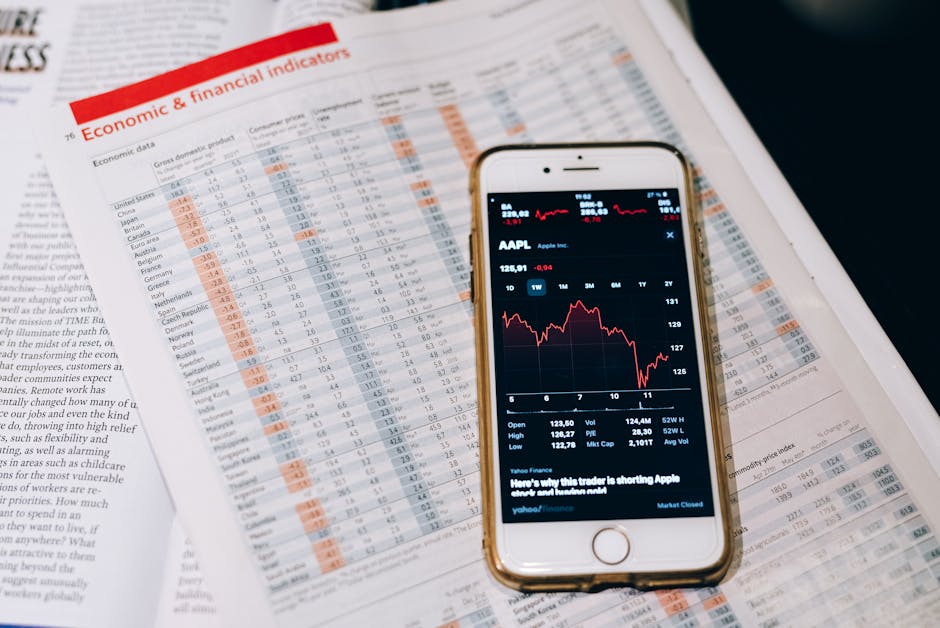
Indian Stock Market Responds to Key Global and Domestic Updates Including Gift Nifty Launch, US GDP, Inflation, and Gold Price Fluctuations
The Indian stock market has experienced significant movements as a confluence of important global and domestic economic developments come into focus. Investors and market stakeholders are responding to a variety of catalysts—from promising regulatory initiatives like the introduction of the ‘Gift Nifty’ to influential global macroeconomic data points such as the US gross domestic product (GDP), ongoing inflation trends, and commodity price dynamics, notably in gold. This article delves deep into these factors, examining their implications for Indian equities, sectoral performance, currency trends, and overall market sentiment.
Emergence of Gift Nifty: Expanding Investment Frontiers in India
The Securities and Exchange Board of India (SEBI), in collaboration with the National Stock Exchange (NSE), is advancing plans to launch a novel investment product— the ‘Gift Nifty’ index. This product aims to create new avenues for investors by centering on the Global In-house Financial Technology (GIFT) City, India’s ambition to establish a globally competitive financial services hub.
Gift Nifty is designed as an index-linked financial instrument that will enable investors to access a concentrated basket of companies operating within the ambit of GIFT City. By doing so, it is expected to enhance market liquidity, foster greater portfolio diversification, and promote cost-efficient investment mechanisms. From a structural perspective, the introduction of Gift Nifty will likely stimulate the derivatives market by offering fresh underlying assets for futures and options trading, a segment where NSE and BSE have consistently sought innovation and expansion.
This initiative resonates with India’s strategy to bolster GIFT City’s profile as an international finance hub facilitating seamless cross-border trading and financial services innovation. Institutional investors and foreign portfolio managers, who are key drivers of market liquidity, are expected to monitor the roll-out closely, as their participation could inject fresh vitality into this evolving ecosystem.
US GDP Data: A Crucial Global Barometer for Indian Markets
The recent release of US GDP figures offers vital insights into global economic health and carries considerable weight for Indian equity markets. Strong US economic growth traditionally spurs higher global risk appetite, which tends to benefit emerging markets such as India by encouraging capital inflows. Conversely, signs of an economic slowdown in the US can prompt risk aversion, triggering sell-offs or volatility in Indian stocks.
For Indian investors and fund managers, US GDP data serve as a proxy indicator of foreign capital flows that heavily influence market liquidity and volatility. The United States is a primary source of foreign investment, and robust American growth enhances investor confidence in export-oriented Indian sectors, particularly the IT industry, which derives a large share of its revenues from American clients.
Therefore, the interplay between US macroeconomic performance and Indian equity valuation underscores the interconnectedness of global financial markets and the importance of monitoring international economic data for domestic investment decisions.
Inflation Trajectories and the RBI’s Monetary Policy Stance
Inflation remains a critical factor shaping Indian market dynamics and the Reserve Bank of India’s (RBI) monetary policy framework. Persistently elevated inflation levels have the potential to compel the RBI to adopt tighter monetary measures, including interest rate hikes, which could increase borrowing costs for businesses and dampen consumer spending—both of which negatively affect equity valuations.
Alternatively, signs of easing inflation offer the central bank the flexibility to maintain or even reduce policy interest rates. This scenario often translates into enhanced market confidence, stimulating investment in equities and other risk assets. Investors closely scrutinize inflation indicators such as the Consumer Price Index (CPI) and Wholesale Price Index (WPI) to anticipate shifts in monetary policy and adjust their portfolios accordingly.
The RBI’s dual objectives of controlling inflation while supporting growth create a delicate balance, one that market participants watch vigilantly. Inflation pressures also feed into currency valuation and the cost structures of companies, further highlighting inflation’s multi-dimensional impact on market performance.
Gold Price Movements: Safe-Haven Demand Amid Market Fluctuations
Gold prices have shown notable volatility stemming from changes in global demand influenced by geopolitical uncertainties and currency fluctuations. In India, gold occupies a unique place as both a cultural asset and a financial hedge against inflation and currency depreciation.
The precious metal is favored by risk-averse investors during periods of economic uncertainty, which can lead to higher gold prices as funds shift away from equity markets. Moreover, given India’s status as a major importer of gold, surging gold prices have fiscal ramifications—impacting the current account deficit and exerting downward pressure on the rupee.
This dynamic underscores the interaction between gold pricing and broader economic indicators, and why equity and commodity market participants monitor gold trends closely as part of their risk management strategies.
Sectoral Performance and Market Volatility
The cumulative effect of global economic data, domestic inflation, currency movement, and commodity prices has precipitated noticeable volatility across India’s benchmark indices, the Nifty 50 and BSE Sensex included. Market breadth experiences fluctuations as sectors react differently depending on underlying drivers.
- Information Technology (IT): IT shares demonstrate sensitivity primarily to US economic performance and the dollar-rupee exchange rate, given their export-heavy revenue models.
- Banking and Financial Services: These sectors are influenced by domestic interest rate expectations, credit growth outlook, and RBI policies which directly affect lending activity and profitability.
- Commodities: Stocks linked to metals, energy, and related industries respond to global supply-demand balances, inflation dynamics, and geopolitical developments.
Understanding these sector-specific nuances helps investors calibrate their strategies in a volatile environment marked by rapid changes.
Exchange Rate Fluctuations and Foreign Portfolio Investor Activity
The Indian rupee’s trajectory against the US dollar and other major currencies is a pivotal influence on market direction. Currency depreciation raises the domestic cost of imports, exacerbating imported inflation, while appreciation alleviates repayment burdens on companies with foreign currency-denominated liabilities.
Foreign Portfolio Investors (FPIs), who are key liquidity providers, diligently track exchange rate movements and macroeconomic indicators as part of their allocation decisions. Volatility in FPI inflows can trigger market swings and alter sector leadership, amplifying the importance of monitoring currency trends alongside other financial metrics.
Regulatory Developments: SEBI’s Role in Market Stability and Investor Protection
SEBI remains at the forefront of efforts to enhance transparency, improve disclosure standards, and protect investors amidst increasing market complexity. Recent regulatory measures have focused on algorithmic trading oversight, enhanced reporting requirements, and systemic risk mitigation to maintain orderly market functioning.
With the impending launch of financial products such as Gift Nifty, regulatory vigilance will be essential to prevent unintended risk escalation and safeguard investor interests. Exchanges like NSE and BSE are expected to ramp up compliance monitoring and surveillance, ensuring that innovation does not come at the expense of market integrity.
Beyond Gold: Broader Commodities Market Trends
The commodities sector, encompassing crude oil, base metals, and agricultural products, has experienced price fluctuations driven by shifts in global supply and demand, geopolitical events, and exchange rate variations. Indian manufacturers and consumer staples companies are particularly sensitive to input cost changes arising from commodity price dynamics.
These price movements contribute to inflationary pressures, thereby influencing RBI’s monetary stance and shaping investor appetites for sectors reliant on commodity inputs. Hence, commodities represent another critical dimension to watch within the investment landscape.
Retail Investor Sentiment and Market Participation
Retail investor sentiment, while cautiously optimistic, remains an important market dynamic. Government initiatives aimed at broadening financial inclusion and deepening participation through digital investment platforms have bolstered retail market flows.
Systematic Investment Plans (SIPs), mutual fund inflows, and direct equity purchases by retail investors continue to reflect an evolving investment culture in India. However, given ongoing market volatility, investor education and risk management remain priorities to sustain and strengthen retail confidence.
Conclusion: Steering Through an Interconnected and Evolving Market Landscape
The Indian stock market today navigates a multifaceted environment where domestic reforms, global economic developments, and commodity price movements intersect. For investors and market participants, adopting diversified strategies and maintaining real-time analytical frameworks for macroeconomic indicators and regulatory changes are key to thriving amid complexity.
The launch of innovative indices like Gift Nifty, coupled with vigilant tracking of external cues such as US GDP data and inflation trends, will shape market trajectories and investment opportunities. In this interconnected financial ecosystem, prudent integration of these diverse factors will empower investors to manage risk, optimize returns, and capitalize on emerging possibilities.


