

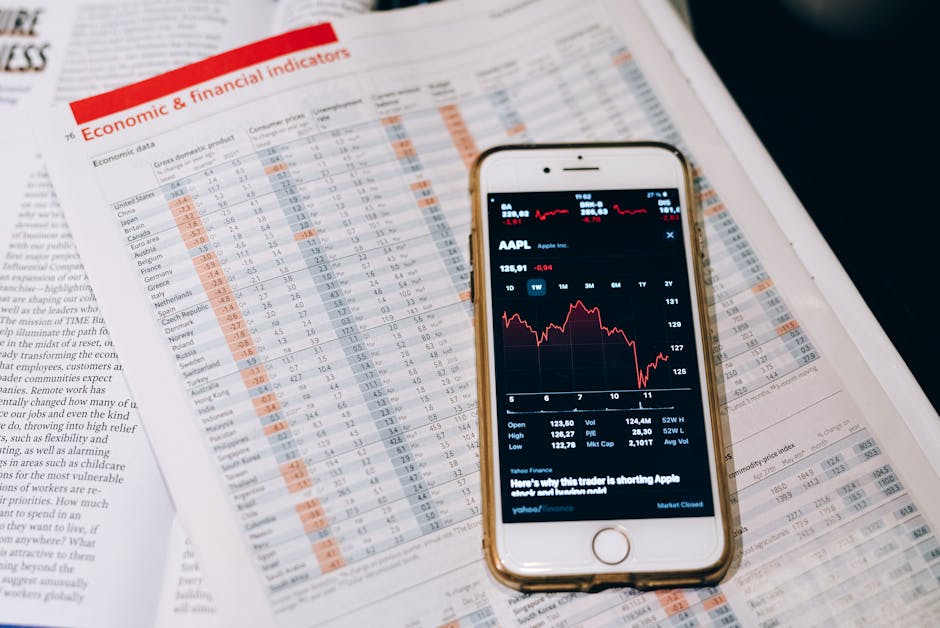
Nifty 50 and Sensex: In-Depth Analysis of Key Drivers Influencing Indian Stock Market Trends
The Indian equity markets, anchored by the Nifty 50 on the National Stock Exchange (NSE) and the Bombay Stock Exchange’s Sensex, remain pivotal indicators of the nation’s economic performance and investor sentiment. These benchmarks are more than mere numerical representations; they encapsulate the intricate interplay of domestic economic fundamentals, global financial environments, sectoral performances, foreign institutional investor movements, and regulatory frameworks. For retail investors, fund managers, and institutional players alike, a nuanced understanding of these underlying factors is essential for crafting informed investment strategies and navigating market volatility.
Market Dynamics Steering the Nifty 50 and Sensex
The Nifty 50 and Sensex indices have recently exhibited notable fluctuations influenced by a multifaceted set of domestic and international factors. At the heart of these movements lie the performances of individual sectors and their contributions to overall market sentiment.
Economic data releases, corporate earnings results, and variations in commodity prices act as primary catalysts affecting these indices. For instance, quarterly corporate earnings announcements, especially from heavyweight sectors like Information Technology (IT), banking, financial services, automobile, and consumer durables, play a crucial role. Strong earnings in these sectors generally propel positive investor sentiment, facilitating upward momentum in the indices. On the contrary, earnings disappointments often spark corrective phases or increased market volatility.
- IT Sector: A significant revenue generator with considerable export exposure, the IT sector’s robust earnings bolster market confidence, while global headwinds can dampen outlooks.
- Banking and Financial Services: Sensitivity to interest rate changes and credit growth dynamics makes this sector a bellwether for economic strength.
- Cyclical Industries: Automobiles and consumer durables mirror discretionary spending trends and often amplify market responses to economic data.
The Role of Macroeconomic Indicators
Macroeconomic parameters fundamentally shape investor perceptions about the health and trajectory of the Indian economy, thereby impacting stock valuations. Inflation rates, industrial production indices, and consumer spending data are closely monitored metrics.
A controlled or moderating inflation outlook is typically viewed positively, fostering expectations that the Reserve Bank of India (RBI) will maintain accommodative or stable monetary policy settings. Such circumstances tend to encourage higher stock valuations and increased market participation. Conversely, rising inflationary pressures can raise fears of monetary tightening, including interest rate hikes, which generally weigh on equity sentiment.
Crude oil price dynamics also possess outsized influence on Indian markets due to India’s heavy reliance on oil imports. Sharp increases in crude prices escalate input costs for many companies, contribute to inflationary pressures, and can reduce margins across sectors. These cost pressures can cascade into weaker corporate earnings forecasts and dampen investor enthusiasm, triggering market sell-offs or subdued index performance.
Global Influences on Indian Equity Markets
The Indian stock market remains intricately linked with global financial conditions. Movements in major economies, monetary policies of central banks such as the US Federal Reserve, geopolitical events, and evolving patterns of global trade significantly affect investor confidence and capital inflows.
US equity market trends, in particular, exert a strong influence. Positive momentum overseas often leads to increased foreign investment flows into Indian markets, enhancing liquidity and uplifting index levels. Conversely, geopolitical tensions, trade uncertainties, or hawkish monetary policies by global central banks tend to amplify volatility.
Indian sectors with substantial dependence on exports—such as IT services and pharmaceuticals—tend to be more sensitive to these global cues. Fluctuations in foreign demand and foreign exchange rates directly impact their earnings outlook, which in turn reverberates through the broader market indices.
Foreign Institutional Investors: Market Movers
Foreign Institutional Investors (FIIs) are among the most influential participants in the Indian equity landscape. Their investment decisions reflect global risk appetites and economic conditions internationally as well as domestically.
Periods of significant FII inflows often correspond with strong market rallies, buoyed by abundant liquidity and positive sentiment. Conversely, sizable FII outflows can intensify downswings, as reduced foreign participation may pressure valuations and trigger broader market corrections.
Given India’s gradually increasing integration with global capital markets, FII behavior remains a critical barometer. They consistently evaluate India’s macroeconomic policies, corporate earnings trends, and regulatory environment while balancing global portfolio considerations.
Regulatory Environment and Market Integrity
A robust regulatory framework underpins the orderly functioning and credibility of Indian stock exchanges. The Securities and Exchange Board of India (SEBI) plays a central role in overseeing market conduct, investor protection, and transparency.
Both NSE and BSE, as leading market platforms, collaborate closely with SEBI to deploy surveillance mechanisms, enforce corporate governance standards, and regulate trading practices. Recent regulatory measures have focused on enhancing disclosure requirements, curbing insider trading, and tightening margin rules to safeguard market stability and integrity.
In addition to these measures, SEBI has proactively promoted retail investor participation by simplifying Know Your Customer (KYC) processes and conducting investor education programs. These efforts have widened accessibility and cultivated a more inclusive market ecosystem, empowering a broader base of investors to participate confidently.
Managing Market Volatility and Risk
Market volatility is an inherent characteristic of equity investing. Indian investors employ various risk mitigation strategies to navigate periods of uncertainty. Portfolio diversification across asset classes and sectors remains a fundamental approach.
Instruments such as derivatives enable investors to hedge exposures and manage market risks effectively. Active portfolio monitoring, combined with timely responses to policy announcements and economic data, is essential for minimizing downside risks. Given the interconnectedness of global and domestic factors, maintaining up-to-date information flow is crucial for risk-aware decision-making.
Implications for Indian Equity Investors
For investors engaged with the Nifty 50 and Sensex, a comprehensive grasp of the confluence of economic, global, and regulatory elements is indispensable. Positive economic growth indicators boost market confidence, yet challenges like inflationary pressures and geopolitical uncertainties warrant vigilant risk management.
Financial advisors and market experts often stress the importance of a balanced investment approach that incorporates sectoral diversification and sensitivity to global macroeconomic shifts. Staying informed about SEBI’s evolving regulations and market developments enhances investors’ ability to anticipate trends and adhere to compliance standards.
Conclusion
The ongoing evolution of the Nifty 50 and Sensex indices reflects an ever-changing landscape shaped by domestic economic fundamentals, global market influences, and regulatory oversight. Navigating the Indian stock market successfully requires a holistic understanding of these drivers, enabling participants to capitalize on emerging opportunities while managing inherent risks. As the market ecosystem advances, continuous engagement with financial data, regulatory directives, and global events remains critical for informed investment decisions and sustained success.


