

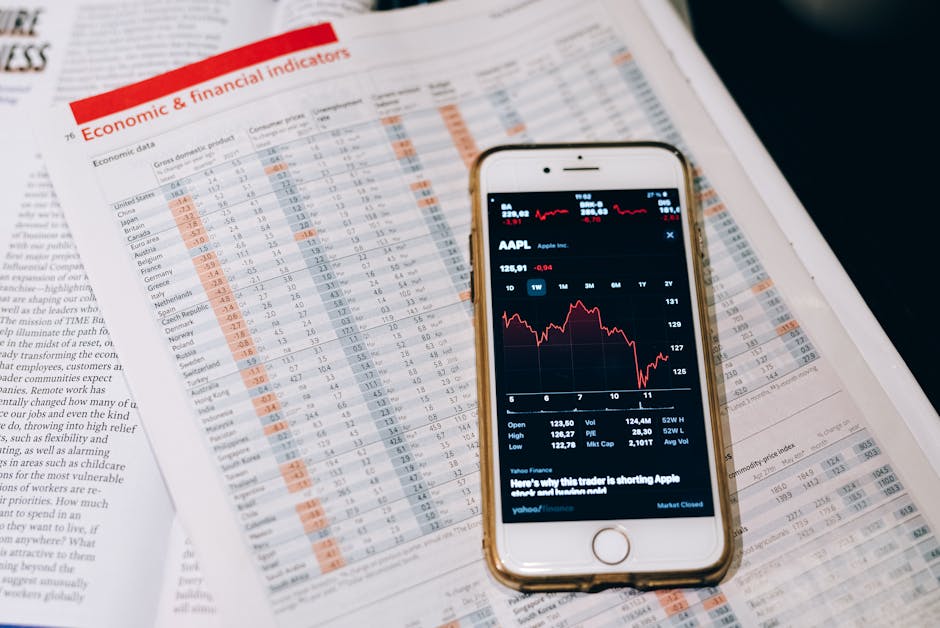
Sensex and Nifty 50 Show Volatility Amid Mixed Economic Signals and Market Caution
The Indian equity markets recently experienced a period of noticeable volatility, with the benchmark indices—Sensex and Nifty 50—fluctuating between gains and losses throughout the trading session. This oscillation highlights an increasingly cautious investor sentiment amidst a backdrop of mixed economic signals, both domestically and globally. The Nifty 50 index, in particular, remained close to the significant psychological threshold of 25,000 points, underscoring a market environment characterized by uncertainty and careful deliberation.
Market Movement Overview: Fluctuations Reflect Investor Hesitation
During the trading session, the Sensex displayed intermittent upward and downward movements, reflecting an indecisive market atmosphere. This pattern of fluctuations indicates that market participants are actively assessing a range of variables before making any strong commitments in their trading positions. Rather than a decisive directional move, the Nifty 50’s steadiness near the 25,000 point mark suggests a consolidation phase. This phase often precedes either a breakout or breakdown, meaning that traders and investors should closely monitor subsequent market developments for clearer signals.
Factors Driving the Current Market Volatility
The oscillations in the Sensex and Nifty 50 indices are the outcome of several intertwined domestic and international factors, all contributing to the prevailing market sentiment of caution. Key influences include:
Global Economic Environment
International economic conditions have a significant bearing on Indian equities. Presently, mixed cues from global markets—manifested in fluctuating commodity prices, variable currency exchange rates, and divergent economic data releases from major economies—are contributing to investor uncertainty. For instance, variations in crude oil prices, shifts in the US dollar’s strength, or divergent manufacturing data from key global players can all trigger reactive trading behaviors in India’s equity markets.
Domestic Macroeconomic Indicators
India’s economic fundamentals remain under close investor scrutiny. Recent releases of inflation data, updates on industrial production, and corporate earnings reports critically shape market expectations. Signals of rising inflationary pressures or signs of decelerated industrial growth can foster volatility, prompting investors to reposition their portfolios in anticipation of potential policy adjustments or economic slowdowns.
Sectoral Performance Variability
The performance of individual sectors such as Information Technology, banking, Fast-Moving Consumer Goods (FMCG), and energy further adds complexity to market movements. Gains in some sectors may be offset by downturns in others, reflecting sector-specific earnings results, regulatory changes, or policy announcements. This uneven pattern of sectoral performance feeds into the overall oscillation of benchmark indices.
Regulatory Developments and Policy Moves
Regulatory oversight and economic policies play critical roles in shaping market behavior. Actions by the Securities and Exchange Board of India (SEBI), including regulatory reforms or enforcement measures, impact market confidence and trading activity. Similarly, policy decisions by the Reserve Bank of India (RBI), especially around interest rates and liquidity management, influence borrowing costs and capital flows, which are key determinants of equity valuations.
Implications for Investors and Traders in India
Given the current volatility and the mixed economic signals, Indian investors and traders are navigating a complex environment that requires a balanced and prudent approach to portfolio management. For retail and institutional investors alike, this means carefully weighing the risks and potential rewards of investment choices during this uncertain phase.
For Traders
Intraday and short-term traders may find opportunities to exploit the market’s price swings; however, the absence of a clear trend warrants caution. Rapid reversals remain a risk, necessitating stringent stop-loss measures and agile risk management strategies to protect gains and limit losses.
For Long-Term Investors
Long-term investors might view this phase as an opportune moment to reassess stock valuations and underlying fundamentals. Instead of chasing short-term market moves, these investors should focus on companies with strong earnings prospects, sustainable business models, and robust balance sheets, preparing their portfolios for future growth while managing downside risks.
Broader Market Context and Regulatory Oversight in India
The Indian securities market operates under a comprehensive regulatory framework designed to ensure transparency, fairness, and investor protection. The Securities and Exchange Board of India (SEBI) serves as the principal regulator, actively working to maintain orderly conduct in the markets through rule-making, surveillance, and enforcement actions where necessary.
The two primary stock exchanges—the Bombay Stock Exchange (BSE), home to the Sensex, and the National Stock Exchange (NSE), where Nifty 50 is listed—adhere to stringent listing and trading norms. These include periodic disclosure requirements, circuit breakers to prevent excessive volatility, and continuous monitoring of trading activity to safeguard market integrity.
Market participants are advised to keep abreast of corporate announcements such as quarterly earnings releases, dividends, mergers, and acquisitions, as well as macroeconomic policy updates including budgetary measures, RBI monetary policy decisions, and fiscal outlooks. Such events often act as catalysts for significant market moves and can provide early indicators of shifts in market sentiment.
Key Takeaways for Market Participants
- The oscillations seen in the Sensex and the consolidation of the Nifty 50 near the critical 25,000 level underscore a market environment of cautious sentiment and uncertainty.
- Investors need to vigilantly monitor both domestic economic developments and global factors, as these can influence the market’s directional movement.
- Regulatory frameworks and central bank policies will continue to be pivotal in guiding market dynamics and maintaining investor confidence.
- Effective stock selection and diligent risk management are essential strategies during periods marked by heightened market fluctuations.
In conclusion, as the Indian equity markets navigate this intricate interplay of domestic and international economic signals, regulatory actions, and sectoral variations, aligning investment strategies with current market conditions is more crucial than ever. Staying informed through credible financial sources and maintaining a disciplined approach can help investors and traders capitalize on emerging opportunities while mitigating inherent risks.


