

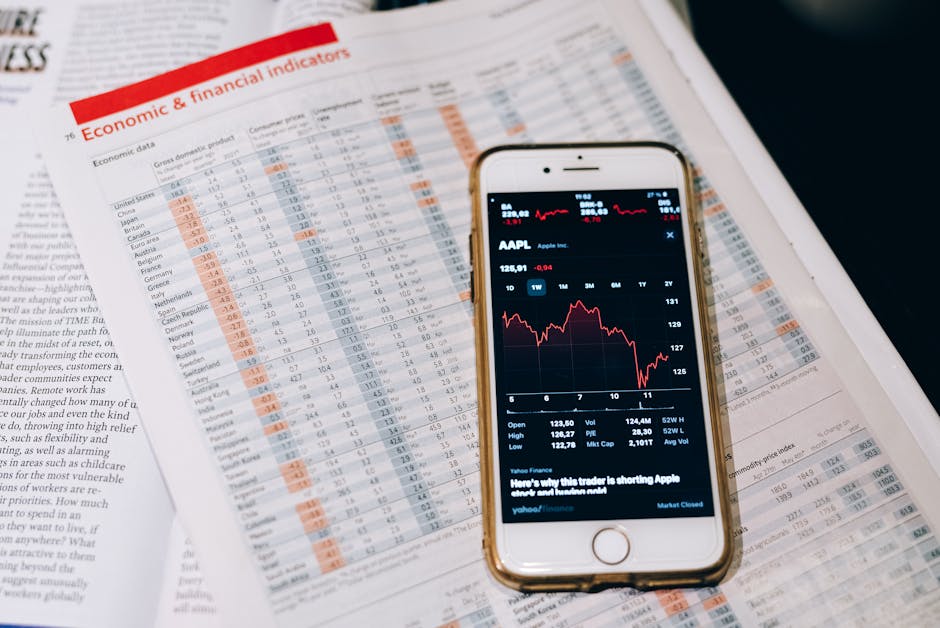
Sensex and Nifty Set for Strong Opening as Geopolitical Tensions Ease Boosting Investor Confidence
India’s leading stock market indicators, the Sensex and Nifty 50, are projected to open on a positive note following a noteworthy reduction in global geopolitical tensions. This calmer international climate has reignited investor optimism and underpinned increased activity on India’s equity bourses, giving impetus to the broader capital markets.
Global Geopolitical Stability Paves Way for Market Confidence
The past weeks have seen a meaningful abatement of geopolitical risks that had exerted downward pressure on markets worldwide. This reduction in geopolitical uncertainties has alleviated fears related to conflict escalation, restoring a more conducive environment for risk appetite globally and notably benefiting emerging economies like India.
Emerging markets, including India, tend to be disproportionately sensitive to geopolitical volatility due to their reliance on foreign capital flows and heightened exposure to fluctuations in currencies and commodities. Consequently, the easing in tensions has contributed to reduced market volatility, particularly in currency valuations and crude oil prices, two influential dynamics underpinning Indian equity valuations.
Sensitivity of Sensex and Nifty to Global Sentiment
The Sensex, which tracks 30 of the most actively traded and large-cap stocks on the Bombay Stock Exchange (BSE), together with the Nifty 50, encompassing 50 diversified major stocks on the National Stock Exchange (NSE), serve as vital barometers of India’s economic and financial health. Positive global cues often translate into a firm start for these indices, which can sustain momentum through the trading day as investor sentiment remains constructive.
Sectors most influenced by international developments—including banking, information technology, and energy—are anticipated to lead the rally. These sectors had faced significant headwinds amid prior geopolitical anxieties and commodity price volatility but now stand to gain from the resurgence in market confidence.
Banking and Financial Services Sector: Benefitting from Reduced Uncertainty
The banking sector, a cornerstone of India’s financial ecosystem, tends to perform better during periods of geopolitical calm. This is primarily because a stable global environment diminishes unpredictability around interest rate policies and cross-border credit flows. Improved geopolitical sentiment often leads to enhanced liquidity in the system, thereby facilitating more robust lending activity.
The Reserve Bank of India (RBI) maintains a crucial role in managing liquidity and interest rate frameworks, but the external environment’s stability is a significant supportive factor. Investors typically view banking stocks more favorably when macro risks subside, reflecting anticipated steadier earnings and better asset quality.
Information Technology: Riding on Global Business Continuity
India’s information technology sector, a major driver of exports and foreign exchange, is intrinsically linked to global economic stability and seamless international engagements. Reduced geopolitical tension means fewer disruptions to client operations, contract renewals, and outsourcing agreements, helping IT companies maintain steady revenue streams and favorable market valuations.
This stability enhances the confidence of technology investors who monitor global economic health closely, making IT stocks a beneficiary of the current diplomatic easing.
Energy Sector: Relief from Supply and Price Volatility
Energy stocks, particularly those dealing in oil and gas, have long been vulnerable to geopolitical crises that threaten supply chains and push crude prices upward. The recent easing of tensions mitigates fears of supply disruptions and reduces the risk premium embedded in crude prices.
Stable crude oil prices can support healthier profit margins for energy producers, contributing to increased investor interest. This environment creates a tailwind for India’s energy companies, whose performance is tightly linked to global energy price dynamics.
Market Dynamics and Investor Behavior amid Improved Sentiment
Following the lull in geopolitical risks, trading volumes on the NSE and BSE typically rise as confidence returns. Both retail and institutional participants become more willing to deploy capital in the market, translating into stronger buying pressure, narrower bid-ask spreads, and even the contraction of option premiums, reflecting lower perceived risk.
A key factor in this turnaround is the resurgence of Foreign Portfolio Investors (FPIs). These investors, often sensitive to global risk metrics, tend to re-enter promising emerging market equities when international conditions stabilize. Their inflows enhance market liquidity and breadth, often catalyzing broader index gains.
Role of Market Regulators and Infrastructure in Maintaining Stability
India’s financial regulators play a pivotal role in safeguarding orderly market conditions, especially during periods of external volatility. The Securities and Exchange Board of India (SEBI), alongside infrastructure bodies like BSE and NSE, implements surveillance mechanisms designed to detect and mitigate speculative excesses that can arise amidst geopolitical uncertainty.
Advance risk management tools, including automated trading halts, circuit breakers, and real-time monitoring systems, have been deployed to temper extreme price swings. These measures not only protect investors but also foster increased trust in India’s capital markets.
Broader Economic Implications of Market Stability
A buoyant stock market is often a precursor to broader economic vitality. The improved investor confidence triggered by global geopolitical stability can accelerate capital formation and draw increased foreign direct investment into India.
This inflow of capital supports corporate expansion plans across sectors while bolstering the financial health of debt and equity markets. Moreover, a stable external environment enhances policymaking effectiveness and business planning, both of which are essential for improving economic resilience against future global shocks.
Consumer confidence, closely linked to market performance and economic health, can receive a boost from market stability, creating positive spillovers into real estate, consumption-driven industries, and manufacturing.
Conclusion: Optimism Anchored in Stability
As geopolitical tensions ease, India’s capital markets are positioned to register a stronger start, reflecting a healthier risk-reward ratio for investors. The anticipated upward momentum in the Sensex and Nifty underscores a broader optimism grounded in improved macroeconomic and global conditions.
Investors are advised to stay vigilant regarding both domestic regulatory shifts and evolving geopolitical developments given their intertwined influence on market performance. Continued efforts by SEBI, NSE, and BSE to enhance transparency and systemic safeguards remain key pillars sustaining this positive market trajectory.
Ultimately, the current environment highlights how crucial geopolitical stability is in shaping investor behavior and market outcomes within India’s interconnected and dynamic economic landscape.


