

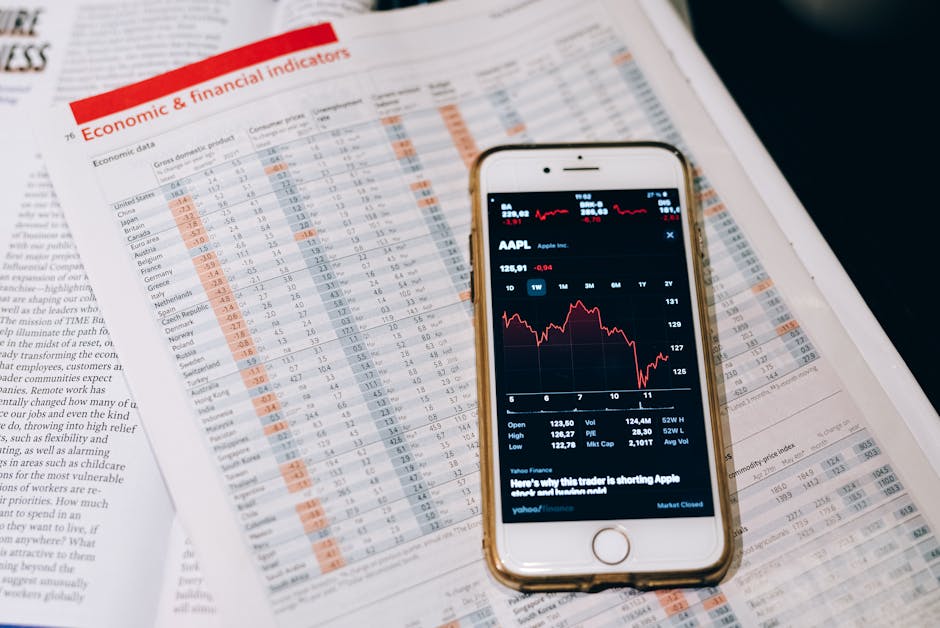
Nifty 50 and Sensex: Key Insights for Investors Ahead of Crucial Market Session
The Indian stock market, with its twin pillars—the Nifty 50 and the Sensex—stands on the brink of an important trading day that has drawn significant interest from both domestic and international investors. These benchmark indices serve as critical indicators of economic health and corporate performance, encapsulating broader market sentiment and economic dynamics. As investors prepare for this key market session, a nuanced understanding of the underlying factors shaping these indices can offer a strategic advantage, enabling more informed and confident decision-making.
Understanding the Market Context and Recent Trends
The Nifty 50 and Sensex are not merely numbers but represent the consolidated stock performances of the top companies listed on the National Stock Exchange (NSE) and Bombay Stock Exchange (BSE), respectively. Their movements capture the pulse of the Indian equity market, reflecting responses to myriad influences ranging from macroeconomic indicators and corporate profitability to global economic events and currency fluctuations.
In the lead-up to this pivotal trading day, attention has been riveted on several factors. Key quarterly corporate earnings reports have been dissected to gauge sectoral and overall market health, revealing areas of strength and potential vulnerabilities. Inflation data has been closely watched, especially given its direct implications on consumer spending power and input costs for businesses. Additionally, signals from the Reserve Bank of India (RBI) on monetary policy, particularly regarding interest rates, liquidity conditions, and inflation management strategies, are pivotal in shaping investor outlooks.
Moreover, global cues contribute significantly. Changes in commodity prices, evolving geopolitical tensions, and performance trends in major foreign markets such as the US, European economies, and Asian counterparts interplay dynamically to affect capital flows and risk appetites. This complex web of factors results in the nuanced and often volatile movements seen in the Nifty and Sensex.
Dissecting the Key Drivers of Market Movements
Several critical elements converge to influence investor behavior and market volatility on such landmark trading sessions.
Corporate Earnings Performance
The quarterly earnings season is a major event that often sets the tone for market direction. Companies delivering robust financial results tend to boost investor confidence, triggering buying momentum in their respective sectors. For example, bullish earnings in technology, financial services, and consumer staples typically underpin gains in the Nifty 50 and Sensex components, reinforcing positive market sentiment. Conversely, disappointing earnings can dampen enthusiasm, leading to cautious or risk-averse trading.
Monetary Policy Signals from RBI
The Reserve Bank of India’s announcements on interest rates and liquidity management carry profound implications. A dovish stance, suggesting lower rates or increased liquidity, generally supports equity markets by lowering borrowing costs and encouraging investment. On the other hand, hawkish policies intended to curb inflation may tighten financial conditions, impacting valuations and investor preferences. The market carefully interprets these signals to recalibrate expectations around credit availability, inflation trajectory, and economic growth prospects.
Global Economic Environment
The Indian market does not operate in isolation; it is deeply integrated with global financial systems. International bond yields, stock market trends in developed economies, and macroeconomic data emerging from major global players influence foreign portfolio investments into India. Positive global sentiment often translates into higher capital inflows to emerging markets, bolstering indices like the Nifty and Sensex. Conversely, global uncertainties can lead to capital outflows and heightened volatility, posing challenges for market stability.
Currency Movements and Their Impact
The Indian rupee’s performance against major currencies, particularly the US dollar, plays a crucial role in shaping market dynamics. A stronger rupee can reduce the cost of imports and input materials but may dampen export competitiveness, affecting companies with significant overseas revenues. Conversely, a weaker rupee can boost exports but may increase inflationary pressures. Currency fluctuations therefore affect not only individual companies but also foreign institutional investment patterns due to currency risk considerations.
Implications for Indian Investors: Navigating Opportunities and Risks
The confluence of these multiple factors creates a complex market landscape that presents both investment opportunities and challenges. For retail and institutional investors alike, the ability to understand sector-specific nuances and broader economic trends remains critical in managing portfolios effectively and mitigating risks.
Investors should consider sectors that align with India’s long-term growth story, such as renewable energy, pharmaceuticals, and information technology. These sectors often demonstrate resilience and growth potential irrespective of short-term cyclical fluctuations heavily influenced by commodities or global trade issues. At the same time, defensive sectors that typically perform well during volatile periods may offer stability, particularly for conservative investors seeking to preserve capital during uncertain times.
Regulatory Environment: Ensuring Market Integrity and Investor Protection
India’s regulatory framework, spearheaded by the Securities and Exchange Board of India (SEBI), plays a vital role in sustaining market confidence and integrity. SEBI actively monitors trading activities to prevent manipulation, insider trading, and other malpractices that could distort market fairness. The regulator’s comprehensive guidelines on corporate disclosures ensure that investors receive timely and accurate information essential for informed decision-making.
Furthermore, market exchanges such as NSE and BSE implement mechanisms including circuit breakers to halt trading during extreme volatility, and margin requirements to curb excessive speculative positions. These interventions help maintain orderly market conditions, safeguarding investor interests especially during volatile and highly anticipated trading sessions.
Strategies for Investors Ahead of the Session
In light of these multifaceted drivers and regulatory safeguards, investors are encouraged to follow disciplined investment practices to navigate the session prudently.
- Diversification: Spreading investments across a range of sectors and asset classes can help reduce exposure to sector-specific risks and market fluctuations.
- Due Diligence: Careful evaluation of company fundamentals and macroeconomic indicators remains crucial before entering trades, helping investors avoid impulsive decisions driven by market noise.
- Stay Informed: Regular monitoring of earnings announcements, RBI policy developments, and global economic trends is essential to anticipate market movements and adjust strategies promptly.
- Risk Management: Employ tactical measures such as stop-loss orders and prudent position sizing to protect downside and preserve capital in case of unanticipated market shocks.
Conclusion: Embracing a Holistic Approach to Market Engagement
The forthcoming trading session in the Indian equity market will unfold within a complex matrix of earnings results, monetary policy cues, global economic conditions, and robust regulatory oversight. For investors committed to markets represented by Nifty 50 and Sensex, understanding these underlying dynamics is not only beneficial but necessary to harness potential gains while mitigating risks.
As India’s equity markets evolve in tandem with shifting global economic paradigms, proactive engagement with reliable information and adherence to regulatory best practices will continue to be the cornerstone of successful investing. Ultimately, well-informed investors who integrate macroeconomic insights and sound risk management stand best positioned to capitalize on opportunities within this vibrant market environment.


