
Sensex Soars Over 500 Points as Nifty Surpasses 25,300 Mark Amid Broad Market Rally
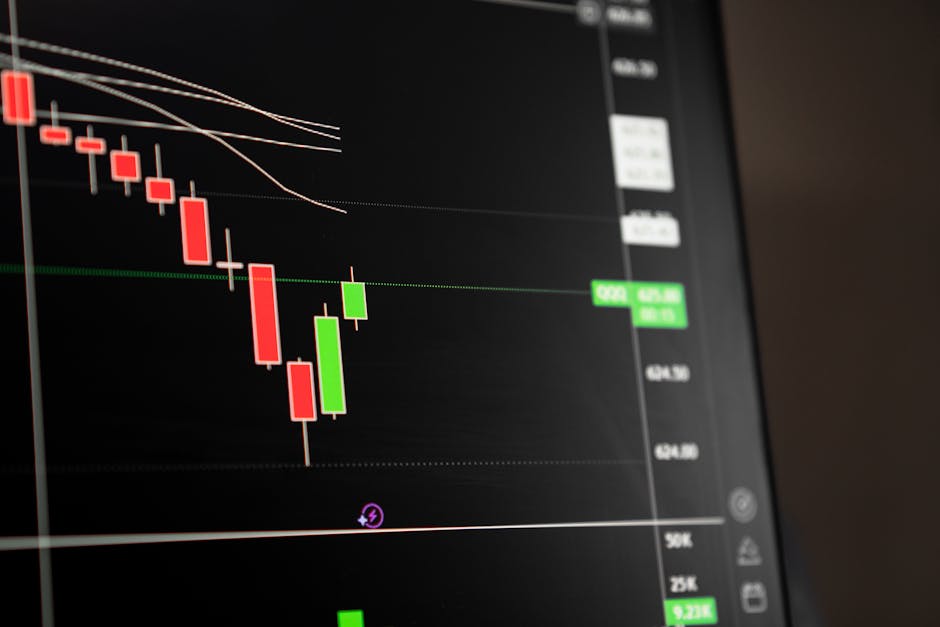
Indian equity markets witnessed a significant and broad-based rally, with the S&P BSE Sensex surging by over 500 points to close north of the 82,400 level. The Nifty 50 index followed suit, gaining 172 points to breach the psychologically important 25,300 milestone. This upward momentum reflects renewed investor confidence across key sectors, supported by robust domestic fundamentals, encouraging earnings, and favorable policy dynamics.
Market Performance Overview: Rally Gains Strength
The benchmark indices demonstrated a resilient recovery after periods of market consolidation and volatility. The Sensex closed at an impressive 82,418 points, reflecting broad participation from various sectors, including banking, information technology, and consumer discretionary stocks. Similarly, the Nifty 50 indexed a strong 172-point advance to settle at 25,330 points — a level that investors and analysts view as an indicator of sustained bullish sentiment in the Indian equity landscape.
Investor appetite for risk has clearly revived amid easing global uncertainties and robust macroeconomic data that underline India’s growth potential. This momentum has been propelled by both domestic and foreign institutional investors, who are increasingly attracted to India’s relatively resilient economic environment compared to other emerging markets.
Sectoral Contributors to the Market Surge
- Banking and Financial Services: The financial sector was a primary driver of the rally, buoyed by encouraging quarterly earnings results and upward revisions in credit growth forecasts. Banks have shown resilience in asset quality and improving net interest margins, reinstating investor interest in this pivotal sector.
- Information Technology: IT stocks capitalized on sustained strong demand from global markets, particularly the U.S. and Europe, where digital transformation remains a high-priority theme. The sector continues to benefit from increased corporate investments in cloud computing, cybersecurity, and software services.
- Consumer Discretionary and FMCG: Stocks in consumer discretionary and fast-moving consumer goods sectors gained due to rising consumer confidence backed by improving employment metrics and higher disposable incomes. This trend indicates a broader economic recovery reflected in increased discretionary spending patterns.
Investor Sentiment and Macro Drivers
The positive market trajectory is underpinned by a confluence of supportive domestic and global factors. The Reserve Bank of India’s accommodative monetary policy stance continues to bolster liquidity, encouraging investment across asset classes. Alongside this, government-initiated reforms and policy reforms have injected optimism among market participants.
Foreign Institutional Investors (FIIs) have emerged as key buyers in recent trading sessions. Their growing participation emphasizes the allure of Indian equities as an attractive component in global diversified portfolios. This influx of FII capital highlights confidence in India’s long-term growth story, even amid global volatility and uncertainty elsewhere in emerging markets.
Investment Implications for Indian Equity Market Participants
While the current rally offers compelling investment opportunities, it also necessitates a measured approach given the elevated valuation levels in some segments. Investors are advised to maintain diversified portfolios and calibrate holdings based on sectoral fundamentals and individual risk tolerance. Long-term wealth creation requires aligning investment strategies with both market cycles and macroeconomic developments.
It is imperative for investors to monitor the evolving regulatory landscape closely. The Securities and Exchange Board of India (SEBI) plays a critical role in ensuring market integrity and transparency. Recent efforts by SEBI to strengthen disclosure norms and enhance corporate governance standards improve market reliability and protect investor interests.
Role of Regulatory Institutions in Market Stability
Regulators such as SEBI, alongside stock exchanges including the National Stock Exchange (NSE) and Bombay Stock Exchange (BSE), actively ensure orderly market functioning through vigilant surveillance and risk management protocols. Their commitment to investor education enhances market confidence, particularly among retail participants. Moreover, investments in technological infrastructure like algorithmic trading systems and real-time information dissemination enhance market efficiency and accessibility.
Evolution of Indian Equity Markets: A Historical Perspective
The present bullish phase reflects decades of transformation in the Indian capital markets—from a predominantly closed and constrained economy to an open, globally integrated platform attracting significant foreign and domestic institutional investments. Reforms promoting ease of access for retail investors through mutual funds, exchange-traded funds (ETFs), and direct market participation have broadened the shareholder base and deepened market liquidity.
This evolution underscores India’s established position as a key emerging market destination with increasing sophistication, transparency, and inclusiveness.
Conclusion: Navigating Opportunities Amid Market Optimism
The recent surge in the Sensex and Nifty highlights reinforced investor confidence catalyzed by macroeconomic stability, robust corporate earnings, and forward-looking policy measures. Although the upward trend is encouraging, prudent investors must balance optimism with caution, keeping an eye on global market trends, valuation metrics, and regulatory developments.
With a solid foundation and progressive regulatory frameworks, Indian stock markets continue to offer attractive long-term wealth creation opportunities. Stakeholders are advised to approach current market conditions strategically, with diversified positions and due diligence to effectively capitalize on the growth potential ahead.


